Review: What the Fork is for Dinner SVG
As a designer who spends more time staring at stitch paths than actual fabric, I have learned that not every digital file translates well to thread. We often browse marketplaces looking for design assets that promise quick wins for our craft business, only to find that complex vectors become nightmares on the hoop. Recently, I pulled up What the Fork is for Dinner, Kitchen SVG to evaluate its potential for a batch of custom kitchen linens I am producing for a local boutique. Here is my honest assessment of how this graphic holds up when moved from screen to needle.
First Impressions and Visual Personality
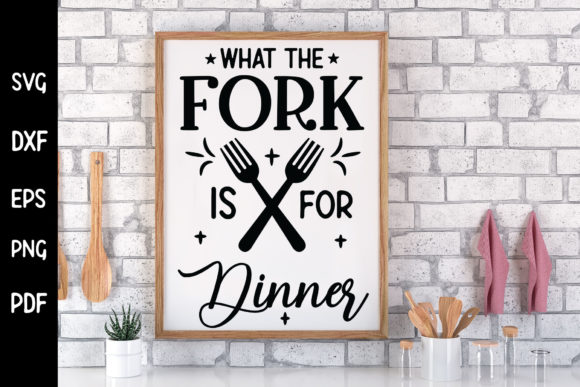
The immediate appeal of What the Fork is for Dinner, Kitchen SVG lies in its playful irreverence. It captures that specific, humorous mood that modern home décor buyers love. The layout is balanced, with the typography taking center stage while the graphical elements support the message without overwhelming it. For an embroidery project, this is crucial. If the design is too cluttered, the text becomes illegible after stitching. This design maintains clean lines, which suggests it will render clearly even when scaled down for smaller items like tea towels or pot holders.
The theme fits squarely into the popular farmhouse-meets-modern aesthetic. It is not overly rustic, nor is it strictly minimalist. This versatility makes it a strong candidate for various handmade products. Whether you are creating a personalized gift for a housewarming or stocking your Etsy seller shop with bestsellers, the visual personality here feels current and engaging.
Real-World Application: The Kitchen Towel Test
To test the viability of this machine embroidery design, I simulated its application on a set of waffle-weave cotton towels. This is a common request for small shop product lines. The design’s structure lends itself well to a combination of satin stitch for the lettering and a lighter fill stitch for any accompanying iconography. On textured fabrics like waffle weave, dense graphics can pucker the material, but the open spacing in this SVG suggests it would breathe well on the fabric.
I also considered its use on a canvas tote bag design. Canvas is sturdy, but it requires careful tension management. The bold nature of the quote ensures it remains readable from a distance, which is essential for wearable or carryable items. For custom apparel, such as a chef’s apron or a casual sweatshirt, the design offers enough visual weight to stand out against solid colors without looking like a heavy plastic patch.
Versatility Across Product Lines
Beyond towels and totes, this graphic has legs in other categories. Consider these applications:
- Sweatshirt embroidery: Placed on the upper back or chest, it adds a touch of humor to loungewear.
- Embroidered patch: The self-contained shape works well for iron-on or sew-on patches, allowing customers to add flair to jackets or hats.
- Holiday embroidery: While not explicitly seasonal, the kitchen theme spikes in popularity during Thanksgiving and Christmas hosting seasons.
- Baby embroidery: Though the language is edgy, a softened version could work for bibs in households with a sense of humor, though caution is advised regarding target audience.
Technical Considerations for Stitching
While the visual design is strong, the transition from a vector SVG to a functional embroidery file requires attention to detail. SVGs are scalable graphics, but they are not native embroidery formats. You must digitize them properly or purchase a pre-digitized version. If you are digitizing this yourself, pay close attention to stitch density. Heavy saturation in the letters can cause the fabric to pull, especially on lighter materials.
For those using this on dark fabrics, consider using an underlay stitch that contrasts with the top thread to ensure crisp edges. A running stitch border can help define the shape before the main fill begins. Always test the design on scrap fabric first. What looks perfect on a monitor may behave differently on a stretchy knit versus a stable woven cotton.
Hooping is another critical factor. Ensure your hoop size accommodates the full width of the text without cropping. For curved surfaces like caps, you may need to adjust the pull compensation to prevent distortion. Using the correct stabilizer is non-negotiable; a cut-away stabilizer is recommended for garments that will undergo frequent washing, while tear-away may suffice for decorative wall hangings.
Commercial Viability and Brand Consistency
For commercial embroidery professionals, consistency is key. This design helps build a cohesive brand image if you specialize in home goods. It signals to buyers that you understand current trends. However, always verify the licensing terms. Just because a file is labeled as an SVG does not automatically grant commercial rights for the finished product. Check whether the license allows for physical sales, digital resale, or both.
When creating printable mockup images for your online store, this design performs well because it is recognizable even at thumbnail size. High recognition leads to better click-through rates. Use high-contrast thread colors in your mockups to showcase the design’s clarity. Black thread on white linen, or navy on cream, often looks more sophisticated than multicolor options for this particular quote.
Where to Use Caution
Not every project is a good fit. Avoid using this design on very thin, slippery fabrics like silk or chiffon unless you are an advanced digitizer with experience in delicate materials. The text details may get lost if the scale is reduced too much for tiny items like coin purses. Additionally, be mindful of fabric texture; highly looped towels might obscure fine lines, so opt for bolder stitch settings in those areas.
If you are selling digital embroidery file versions of this design, ensure you provide multiple formats compatible with major machine brands. Buyers expect convenience. Include a color chart suggestion to help hobbyists achieve the best look.
Final Verdict
What the Fork is for Dinner, Kitchen SVG is a solid addition to your library of Crafts and Graphics resources. It balances humor with clean design, making it suitable for a wide range of finished product types. By respecting the technical limits of embroidery—managing density, choosing the right stabilizer, and testing on actual fabric—you can turn this digital asset into a high-quality physical item that customers value. It is a practical, profitable choice for makers who want to add personality to their kitchen-themed collections.