Review: Sorry for What I Said Before Coffee SVG
As a designer who has spent countless hours digitizing and stitching out text-based motifs, I approach every new machine embroidery design with a mix of curiosity and skepticism. We have all seen the market flooded with generic quotes, but occasionally, a design lands that perfectly balances humor with aesthetic appeal. The Sorry for What I Said Before Coffee SVG is one such piece. It is not just a funny saying; it is a practical asset for anyone in the Crafts industry looking to connect with the vast community of caffeine-dependent creatives and professionals.
First Impressions and Visual Personality
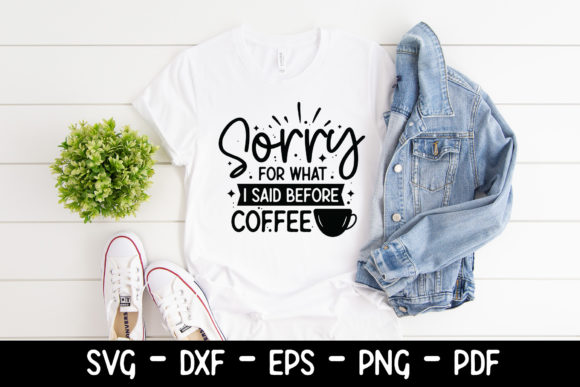
When I first loaded this file into my editing software, the immediate takeaway was its clean, confident typography. The mood is undeniably sarcastic yet warm, capturing that universal morning struggle we all share. For an embroidery project, clarity is king. Complex scripts can turn into thread nests, but this design appears to prioritize legibility without sacrificing style. The layout suggests a balanced distribution of weight, which is crucial when you are dealing with the physical pull of thread on fabric.
The visual personality here is casual and relatable. It does not try too hard to be elegant; instead, it leans into the gritty reality of needing that first cup. This makes it an ideal candidate for everyday items rather than formal wear. As a piece of Graphics content, it translates well because the lines are distinct, reducing the risk of ambiguity during the stitching process.
Real-World Application: The Tote Bag Test
To truly evaluate a design, you have to imagine it on a finished product. I recently considered this motif for a custom order of canvas tote bags for a local boutique. The client wanted something that would appeal to young professionals and students. The Sorry for What I Said Before Coffee SVG fit the brief perfectly.
On a sturdy canvas tote bag design, the text stands out boldly. I envisioned using a high-contrast thread colors scheme, perhaps a deep espresso brown or a stark black against a natural beige canvas. The result would be a handmade product that feels both personal and professional. It is the kind of item a customer buys for themselves as a treat or grabs as a last-minute personalized gift for a friend who is always tired. The relatability of the quote drives engagement, making it a strong seller for any Etsy seller or small shop product lineup.
Versatility Across Apparel and Home Goods
Beyond totes, this design shines in custom apparel. Imagine it stitched onto the chest of a cozy fleece sweatshirt embroidery project. The soft texture of the fleece complements the humorous, relaxed vibe of the quote. It also works exceptionally well on aprons for kitchen enthusiasts who are strictly non-functional before their morning brew.
For those exploring holiday embroidery or gift seasons, this design is a year-round contender. It fits seamlessly into Christmas stockings for adults, birthday gifts for colleagues, or even as a quirky addition to a baby embroidery line for sleep-deprived new parents. The versatility extends to home decor as well. A small version could adorn a pillow cover in a breakroom or a kitchen towel, adding a touch of personality to functional spaces.
Technical Considerations for Stitching Success
While the design is visually appealing, technical execution is where many projects fail. Here are my practical notes for ensuring a high-quality finished product.
- Hoop Size and Placement: Always check the dimensions of the embroidery file against your hoop. If the text is long, ensure you have a rectangular hoop available to avoid resizing the design too small, which can compromise legibility.
- Stitch Density and Type: Text designs often rely on satin stitch for smooth letters or fill stitch for blockier fonts. Review the density in your software. If the density is too high for lightweight fabrics, you risk puckering. Use a cut-away stabilizer for stretchy materials like t-shirts to maintain shape.
- Fabric Texture: Be cautious with highly textured fabrics like thick terrycloth or loose-weave linen. Fine details in the lettering might get lost. Test on scrap fabric first to see how the thread colors interact with the fabric texture.
- Dark Fabrics: If stitching on dark garments, consider using a lighter thread color for maximum contrast. Alternatively, use an underlay stitch that matches the garment to prevent the fabric color from peeking through the letters.
Commercial Viability and Brand Consistency
For craft business owners, consistency is key to building trust. This design offers a consistent tone that can help define your brand voice as witty and approachable. When used in commercial embroidery projects, it adds value because it solves a social problem: it gives people a funny way to express their morning mood.
However, always verify the licensing terms. While this is a digital asset, ensure you have the right to use it for commercial sales if you are selling embroidered patch items or apparel. Many designers offer different licenses for personal versus commercial use. Checking this beforehand protects your business and respects the creator’s work.
Final Verdict for Designers and Makers
The Sorry for What I Said Before Coffee SVG is a solid addition to any designer’s library. It is not overly complex, which makes it accessible for beginners, yet it has enough character to satisfy experienced creative entrepreneurs. It performs well across various mediums, from digital embroidery file previews to physical printable mockup displays.
My advice is to treat it as a versatile staple. Do not limit it to just mugs or signs as suggested in basic descriptions. Push it into the realm of textile art. Stitch it on caps, blend it with other design assets for a larger composition, or use it as a focal point on a minimalist jacket. By understanding the technical requirements—proper stabilization, correct hoop sizing, and thoughtful thread selection—you can transform this simple quote into a high-value item that resonates with customers. It is a reminder that even in the world of precise machine stitching, there is room for humor, humanity, and a good cup of coffee.