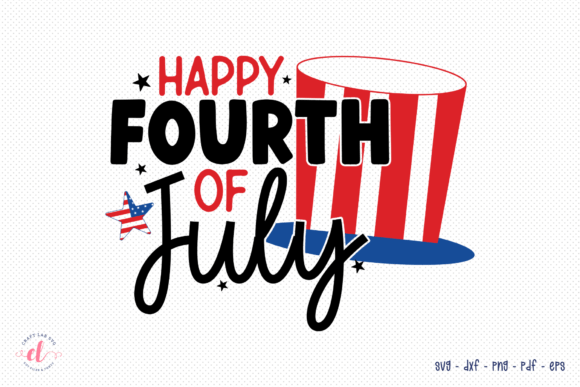
Reviewing the Happy Fourth of July SVG for Embroidery
As a designer who spends more time staring at stitch simulations than actual fabric, I have learned that not every digital file translates well to thread. When I first opened the Happy Fourth of July SVG, July 4th SVG, my initial reaction was one of cautious optimism. The design promises a beautiful quote perfect for celebrating Independence Day, and it includes two versions, one of which is in black. For those of us in the Crafts and Graphics space, having options is crucial, but the real test is always in the stitching.
First Impressions and Visual Personality
The mood of this design is undeniably festive yet clean. It avoids the cluttered, overly complex aesthetics that often plague holiday-themed design assets. Instead, it relies on strong typography and balanced spacing. This visual personality makes it versatile. It does not scream for attention with excessive decorative elements; rather, it invites the viewer to read the message. For an embroidery project, this clarity is vital. Complex shapes can get lost in thread, but bold lines and clear lettering tend to hold up better under the needle.
I immediately thought about how this would look on a neutral background. The inclusion of a black version is a smart move by the creator. It suggests an awareness that users might want high contrast on light fabrics or a subtle, tonal look on darker materials. This duality increases the potential applications significantly, moving it beyond just red, white, and blue themes into everyday wearables.
Real-World Application: The Tote Bag Test
To evaluate its practicality, I mentally placed this design on a canvas tote bag. This is a staple product for any Etsy seller or small shop product owner during the summer months. The Happy Fourth of July SVG, July 4th SVG fits naturally here. The quote serves as a statement piece without overwhelming the utility of the bag. If I were producing this for a client, I would likely choose a satin stitch for the text to ensure readability from a distance, while using a fill stitch for any larger graphical elements if present in the specific file variation.
Beyond tote bags, this design shines in custom apparel. Imagine it centered on the chest of a heather grey sweatshirt. The texture of the fleece provides a nice backdrop for the crisp lines of the embroidery. It transforms a basic garment into a personalized gift or a boutique-ready item. For craft business owners, this versatility means you can create multiple SKUs from a single digital embroidery file, maximizing your return on investment.
Navigating Fabric and Hoop Constraints
However, a professional review must address limitations. While the design is robust, it requires careful handling on certain materials. If you are working with stretchy fabric, such as a thin jersey t-shirt, you must use a high-quality stabilizer. Without proper support, the stitch density could cause puckering, distorting the beautiful quote. I always advise testing on scrap fabric first. This step is non-negotiable for maintaining professionalism.
Curved surfaces present another challenge. Placing this design on a cap or hat requires precise hooping. The text must remain straight, or the entire finished product looks amateurish. For caps, I recommend using a frame hoop and ensuring the design is centered perfectly before starting the machine. Additionally, if the quote includes small details or tight kerning, verify that your machine can handle the resolution. Tiny lettering can merge together if the needle size is too large or the thread tension is off.
Commercial Viability and Customer Trust
For commercial embroidery projects, consistency is key. Customers buy based on trust and visual appeal. A clean, well-executed design like the Happy Fourth of July SVG, July 4th SVG enhances brand consistency. It signals that you care about quality. When a customer receives a handmade product with crisp stitching and no loose threads, they are more likely to leave positive reviews and return for future purchases.
This design also works well for embroidered patch creation. Patches are trending, and a patriotic quote fits perfectly on a denim jacket or backpack. Using an applique design technique could add dimension if the file supports it, though the standard stitch approach is often cleaner for small batches. The key is to match the thread colors to the fabric texture. On dark fabric, the black version might disappear, so you would need to switch to a contrasting color like white or silver, even if the original file is black. Always check the contrast before committing to the full run.
Practical Designer Notes
Before you load this into your machine, consider these practical steps:
- Check Licensing: Ensure the license allows for commercial use if you plan to sell finished items. The description mentions it is perfect for celebrating, but always confirm the terms for craft business usage.
- Test Stitch Density: Run a test on similar fabric to see if the design pulls or puckers. Adjust your stabilizer type accordingly.
- Color Contrast: Use the black version wisely. It is excellent for light backgrounds but may need adjustment for dark fabrics.
- Hoop Size: Confirm the design fits within your available hoop size. Do not attempt to resize it beyond recommended limits, as this can distort the proportions.
- Mockups: Create printable mockups or digital previews to show customers how the design looks on different products like aprons or pillow covers.
Final Verdict
The Happy Fourth of July SVG, July 4th SVG is a solid addition to any designer’s library. It is not overly complicated, which is its strength. It allows the craftsmanship of the embroidery to shine without fighting against intricate details that machines struggle with. For holiday embroidery projects, it offers a timeless look that does not feel dated after the season passes. Whether you are creating baby embroidery for a newborn’s outfit or a bold statement on a tote bag design, this graphic holds up.
Remember, the success of the final product depends less on the file itself and more on how you execute it. Pay attention to your thread tension, choose the right stabilizer, and respect the fabric’s limitations. When done correctly, this design elevates a simple piece of cloth into a cherished keepsake. It is a reliable tool for makers who value efficiency and aesthetic appeal in equal measure.