Reviewing Some Bunny Loves Wine Svg for Embroidery
As a designer who spends half my life staring at digitized files and the other half watching needles punch through fabric, I have learned that not every cute graphic translates well into thread. We often browse marketplaces looking for the next best-seller for our Etsy seller shops or local craft fairs, and we stumble upon titles like Some Bunny Loves Wine Svg. It sounds playful, trendy, and undeniably marketable. But does it hold up under the needle? I recently pulled this file to test its viability for a real-world embroidery project, specifically aiming to create a personalized gift that balances humor with high-quality craftsmanship.
First Impressions and Visual Personality
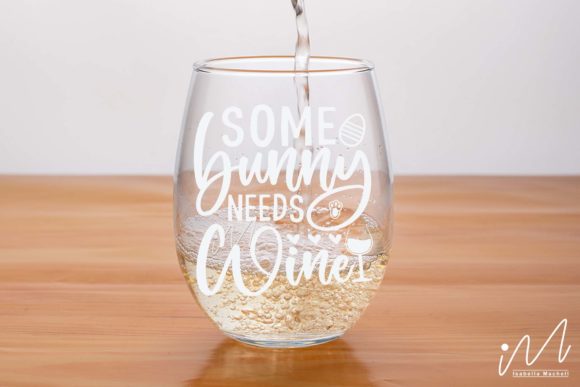
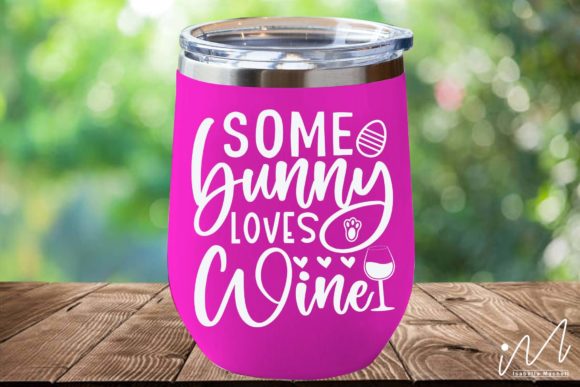
The initial appeal of Some Bunny Loves Wine Svg lies in its whimsical nature. The combination of a bunny motif with a wine theme creates an immediate mood of relaxed indulgence. For those of us in the Crafts community, we know that personality sells. This design does not try to be overly complex; instead, it relies on clear shapes and a recognizable quote. When I opened the file in my editing software, I was looking for clean lines and logical layering. Since this is provided as a vector-based asset alongside raster options, the scalability is a significant advantage. You can resize it without losing edge definition, which is crucial when adapting a design for different hoop size constraints.
The visual personality here is casual and friendly. It is not trying to be haute couture; it is aiming for approachable charm. This makes it ideal for a handmade product intended for friends, family, or customers who appreciate a good laugh. However, the simplicity of the concept means that execution is everything. If the lines are jagged or the spacing is off, the joke falls flat. Fortunately, the source files allowed me to inspect the paths closely before converting them into a machine-readable format.
Real-World Application: The Tote Bag Test
To truly evaluate this design, I needed a substrate that would challenge its clarity. I chose a natural cotton canvas tote bag. Tote bags are a staple for any small shop product line because they are practical and offer a large, flat surface area. My goal was to create a tote bag design that could serve as a conversation starter at a weekend market or a grocery run.
I positioned the bunny and text centrally, ensuring enough margin for the hoop. The "wine" element of the design suggested deep purples or rich reds, while the bunny called for softer neutrals or whites. Testing thread color contrast was essential here. On natural canvas, a white bunny might get lost if the stitch density is too low. I opted for a slight off-white thread to ensure visibility against the beige background. The result was a crisp, clean look that felt professional rather than homemade in a negative sense. The design sat well on the fabric, with no obvious puckering, thanks to proper stabilizer use.
Apparel and Home Decor Potential
Beyond totes, this design has strong potential for custom apparel. Imagine this stitched onto the chest of a oversized sweatshirt. The sweatshirt embroidery trend is still going strong, and humorous quotes perform exceptionally well in this category. The soft texture of fleece or French terry cloth requires careful attention to stitch density. If the design is too dense, it becomes stiff and uncomfortable. If it is too light, the fabric shows through. For a project like this, I recommend using a cut-away stabilizer to support the stretch of the garment without adding bulk.
For home decor, consider a kitchen towel or an apron. A holiday embroidery project for Easter or a birthday gift could feature this design prominently. The playful tone fits perfectly with spring celebrations or adult birthday parties. It transforms a standard kitchen towel into a personalized gift that feels thoughtful and unique. The key is placement. On an apron, ensure the design is high enough to be seen but low enough to avoid interference with neck straps or pockets.
Technical Considerations for Designers
While the aesthetic is charming, we must discuss the technical realities of turning a SVG into a stitched reality. Since the product description lists SVG, DXF, EPS, and PNG formats, it is important to note that these are cut-file formats, not native embroidery files. This means you will need to digitize the design yourself or use auto-digitizing software with caution. Auto-digitizing often fails with text, creating messy satin stitches or excessive jump threads. I strongly advise manual digitizing for the text portion to ensure legibility.
Pay close attention to the small details. Tiny lettering can become a nightmare if the stitch width is too narrow. Ensure your satin stitch columns are wide enough to cover the fabric but narrow enough to remain flexible. For the bunny shape, a combination of fill stitch for the body and running stitch for outlines can create a nice texture contrast. Always test the design on scrap fabric first. This allows you to check thread tension, color blending, and overall balance before committing to your final material.
Navigating Fabric Challenges
Not all fabrics behave the same way. Textured fabrics can hide minor imperfections, but they can also swallow up fine details. Thin fabric requires a tear-away or cut-away stabilizer to prevent distortion. Dark fabric presents a challenge for light-colored threads; you may need an underlay stitch to boost the top threads and prevent the background from showing through. Curved surfaces, like caps, require a different approach entirely. The design might need to be simplified or resized to fit the limited space of a cap front without distorting the bunny’s features.
For those selling digital embroidery file assets or finished goods, understanding these nuances builds customer trust. A buyer can tell when a design has been rushed. A well-executed embroidered patch or applique shows care and expertise. If you are creating a printable mockup for your online store, ensure the digital representation matches the physical reality. Misleading images lead to returns and negative reviews.
Commercial Viability and Brand Consistency
From a business perspective, Some Bunny Loves Wine Svg offers versatility. It fits into several niches: wine lovers, bunny enthusiasts, Easter celebrants, and fans of punny humor. This broad appeal makes it a safe bet for inventory. However, consistency is key. If your brand focuses on elegant, minimalist designs, this playful graphic might feel out of place. But if your brand voice is fun, quirky, and approachable, it is a perfect fit. It enhances brand recognition by showing that you understand current trends and customer desires.
When using this for commercial embroidery, always verify the license terms. Just because you purchased the SVG does not automatically grant you the right to sell the digitized embroidery file. You are generally allowed to sell the physical finished product, but reselling the digital design is often prohibited. Check the specific license included with your purchase to avoid legal issues. Protecting your craft business reputation means respecting intellectual property rights.
Final Verdict
In conclusion, Some Bunny Loves Wine Svg is a solid choice for designers looking to add a touch of humor to their portfolio. It performs well on stable fabrics like canvas and cotton blends, making it ideal for totes, aprons, and pillows. With careful digitizing and attention to stitch density, it can also shine on apparel. The key to success lies in the preparation: testing on scraps, choosing the right stabilizer, and selecting contrasting thread colors. For creative entrepreneurs and hobbyists alike, this design offers a fun opportunity to create engaging, sellable products. Just remember that the file is a starting point, not the finish line. Your skill in translating it into thread is what will ultimately determine its success in the marketplace.