Reviewing How About No SVG for Real Embroidery Use
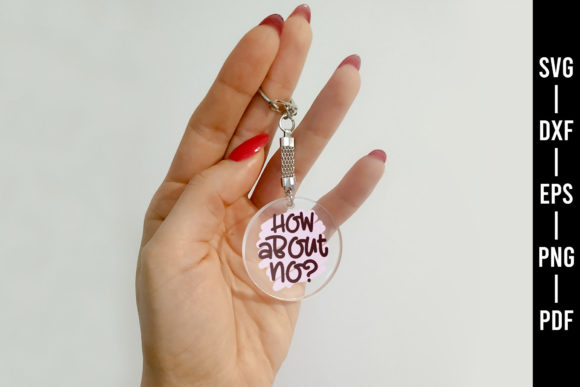
As a designer who spends half my life staring at stitch simulations and the other half untangling thread nests, I have learned to be skeptical of digital assets that promise versatility without proving durability. When I first encountered How About No SVG, Acrylic Keychain SVG, my initial reaction was one of cautious curiosity. The title suggests a specific application—acrylic keychains—but as embroidery professionals, we know that a good design is rarely limited to a single substrate. I wanted to see if this graphic held up when translated from a vector path into actual thread on fabric, which is where the real test lies for any craft business owner.
First Impressions: Mood and Visual Personality
The immediate appeal of How About No SVG, Acrylic Keychain SVG is its bold, unapologetic attitude. In a market saturated with soft, cursive affirmations and delicate florals, this design offers a sharp, modern contrast. It feels contemporary, slightly rebellious, and perfectly suited for a demographic that values humor and directness. Visually, the layout is clean, which is a critical factor for embroidery. Complex, cluttered designs often turn into muddy messes once stitched, but the simplicity here suggests high clarity.
For those working in Crafts and digital Graphics, the aesthetic is versatile. It does not scream "holiday" or "baby," which means it has a longer shelf life. It fits naturally into categories like everyday apparel, office accessories, or casual home decor. The mood is confident, making it an excellent candidate for products aimed at teens, young adults, or anyone who appreciates dry wit.
Real-World Application: Beyond the Keychain
While the product description highlights its use for acrylic keychains via cutting machines like Cricut or Silhouette, I evaluated this design through the lens of a machine embroidery specialist. I imagined placing this quote on a heavy-weight cotton tote bag. The result? A standout tote bag design that would catch eyes at a craft fair. The bold lines would translate well into a satin stitch or a dense fill stitch, ensuring the text remains legible from a distance.
I also considered its potential for sweatshirt embroidery. On a heather grey or black crewneck, this design could serve as a chest-left logo or a larger back print. Because the design relies on strong shapes rather than intricate gradients, it avoids the common pitfall of looking pixelated or lost on textured fabrics. For custom apparel shops, this is a low-risk, high-reward asset. It appeals to customers looking for personalized gifts that feel authentic rather than mass-produced.
Another viable application is the embroidered patch. Patches are trending, and a design with clear boundaries works best for merrowed edges. If you digitize this correctly, it could become a staple small shop product for online stores. The key is maintaining the integrity of the letterforms so they do not blend together when stitched out at smaller sizes.
Technical Considerations for Stitching
Before loading this into your machine, there are practical factors to address. Since this is originally marketed as an SVG for cutting, you must ensure you have the proper digital embroidery file format (such as PES, DST, or EXP) if you intend to stitch it. If you are digitizing it yourself from the SVG, pay close attention to stitch density. Text-based designs require careful balancing; too dense, and the fabric puckers; too sparse, and the background shows through.
Consider the hoop size carefully. If you plan to stitch this on a cap, the curved surface demands a smaller, more compact version of the design to avoid distortion. For flat items like kitchen towels or pillow covers, you have more freedom, but you must still account for the fabric texture. On terry cloth or waffle weave, a simple running stitch might disappear. In such cases, using an applique technique with a contrasting fabric background can make the text pop while reducing stitch count and production time.
Stabilizer choice is non-negotiable. For stretchy fabrics like t-shirts, a cut-away stabilizer is essential to prevent the design from warping after washing. For woven fabrics like canvas totes, a tear-away might suffice, but always test on scrap fabric first. This step saves you from ruining client projects and protects your reputation as a professional.
Visual Appeal and Brand Consistency
Incorporating How About No SVG, Acrylic Keychain SVG into your product line can enhance brand consistency if your aesthetic leans toward modern, minimalist, or humorous. It adds a layer of personality that generic stock designs often lack. For Etsy sellers, unique designs drive engagement. Buyers are drawn to items that feel curated and specific. This design allows for creative freedom in thread colors. You might choose high-contrast combinations like white on black for maximum impact, or tonal shades for a subtler, sophisticated look.
The design’s clarity also aids in creating effective printable mockup previews for your online store. Clean lines render well in digital images, helping customers visualize the finished product before purchasing. This transparency builds trust and reduces return rates.
Where to Use Caution
Despite its strengths, this design is not universal. Avoid using it on very thin or slippery fabrics like silk or chiffon unless you have advanced stabilization skills. The bold nature of the design can overwhelm delicate materials. Additionally, be mindful of tiny lettering if you scale the design down excessively. Legibility is paramount; if the stitches merge, the message is lost. Always check the smallest details in your software before hitting start.
Also, consider the context. While great for casual wear, it may not suit formal holiday embroidery or traditional baby embroidery unless the recipient has a specific taste for edgy humor. Know your audience.
Final Designer Notes
To get the most out of this asset, treat it as a starting point for creativity. Test different applique design techniques to reduce bulk. Compare how it looks on light versus dark backgrounds to determine your standard thread palette. Most importantly, verify the licensing terms. If you plan to sell commercial embroidery items, ensure the license covers finished goods. Do not assume; read the fine print.
How About No SVG, Acrylic Keychain SVG is a solid addition to a designer’s toolkit, provided it is used with technical awareness. It bridges the gap between digital crafting and textile art, offering a modern voice for your handmade products. With the right preparation, it can elevate your design assets and delight your customers.