Review: It’s Always Happy Hour Camping Design
As a designer who has spent countless hours digitizing and testing embroidery files, I have learned that the difference between a design that sells and one that sits in a digital folder often comes down to practical application. When I first loaded It s Always Happy Hour when I m Camping into my software, I was not just looking at lines and nodes; I was visualizing the finished product. This piece falls squarely into the Crafts category, offering a blend of typography and illustration that appeals directly to the outdoor enthusiast market. For Etsy sellers and small shop owners, understanding how this graphic translates from screen to thread is essential for maintaining professional standards.
First Impressions and Visual Mood
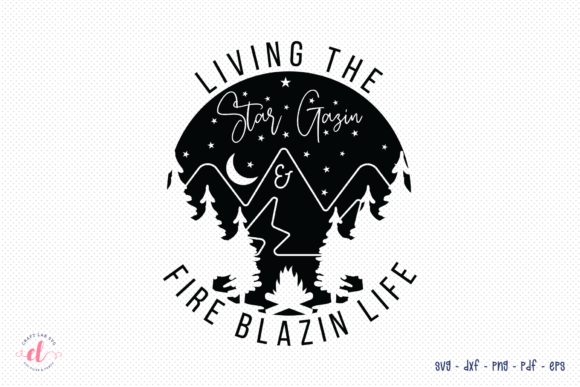
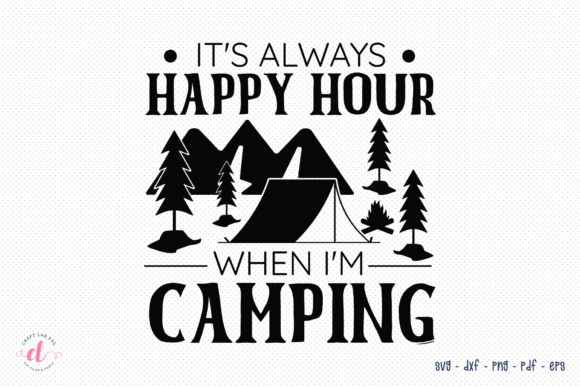
The immediate appeal of this design lies in its relaxed, adventurous spirit. The composition features a playful quote paired with evergreen trees, a classic tent silhouette, and subtle adventure motifs. From a layout perspective, the balance between the text and the graphical elements is crucial. In many poorly digitized files, the text overwhelms the image or vice versa. Here, the elements feel integrated. The mood is lighthearted and inviting, which makes it an excellent candidate for personalized gifts and boutique merchandise. It does not scream for attention with aggressive colors but rather invites a closer look, suggesting a love for nature and leisure.
For those of us working in Graphics and digital assets, the clarity of the shapes matters. The trees and tent need to be distinct enough to stitch cleanly without merging into a blob of thread. My initial assessment suggests that the line work is clean, which is a positive sign for stitching clarity. However, visual appeal on a monitor does not always guarantee success under the needle.
Real-World Application: The Tote Bag Test
To truly evaluate It s Always Happy Hour when I m Camping, I imagined a specific real-life scenario: creating a custom embroidered tote bag for a local craft fair. Tote bags are a staple for any craft business because they are versatile and high-volume items. Using a heavy canvas fabric, I considered how the design would sit. The horizontal nature of the quote works well across the center of a bag, providing a wide footprint that anchors the item visually.
If I were producing this as a handmade product, I would pay close attention to the stitch types used in the tent and trees. If the design relies heavily on satin stitch for the tree trunks, it will provide a nice sheen and durability. However, if the foliage uses dense fill stitch areas, I would need to ensure the stabilizer is robust enough to prevent puckering on the canvas. A running stitch outline might be used for finer details, which adds texture but requires precise tension settings on the machine.
This design also translates well to custom apparel. Imagine it on the back of a lightweight windbreaker or the chest of a cozy fleece sweatshirt. For sweatshirt embroidery, the softness of the fabric contrasts nicely with the structured look of the embroidery. It creates a tactile experience that customers love. For baby embroidery projects, such as a onesie for a camping-themed nursery, the scale would need to be reduced significantly. This is where caution is required, as tiny lettering can become illegible if the stitch density is too high.
Technical Considerations for Embroiderers
Before committing to a full production run, there are several technical factors to review. First, check the stitch density. Designs with large filled areas, like the tent or thick tree clusters, can pull on lightweight fabrics. If you are stitching on a thin cotton tee or a silky blouse, you must use a cut-away stabilizer to support the weight of the thread. Without proper stabilization, the fabric may warp after washing, ruining the finished product.
Second, consider the hoop size. Ensure that the design fits comfortably within your machine’s maximum hoop area, leaving enough margin for the frame to grip the fabric securely. If you are working on curved surfaces like caps, the design might need to be split or adjusted to avoid distortion. An embroidered patch is another viable option for this design, allowing you to stitch it on a flat stabilizer-backed fabric and then apply it to various items, from backpacks to jackets.
Thread color selection plays a massive role in the final look. For a natural, earthy vibe, greens, browns, and creams work best. However, for a pop of fun suitable for holiday embroidery or summer gifts, bright oranges and blues can make the tent and sky elements stand out. Always test your thread colors on scrap fabric first. What looks good on screen may look muddy or washed out in real life, especially on dark fabrics.
Commercial Viability and Brand Consistency
For Etsy sellers and creative entrepreneurs, this design offers strong commercial potential. It taps into the popular camping and glamping trends. When used in commercial embroidery projects, consistency is key. If you are building a brand around outdoor lifestyle products, It s Always Happy Hour when I m Camping fits seamlessly into a collection that might include mountain landscapes or wildlife motifs. It helps establish brand recognition through consistent thematic elements.
However, professionalism dictates that you verify the licensing terms. Just because a file is labeled as a digital embroidery file does not automatically grant unlimited commercial rights. Always confirm whether the license allows for selling physical items or if it is for personal use only. This step protects your craft business from legal issues and builds trust with your customers.
Practical Designer Notes
- Test on Scrap Fabric: Never stitch a new design directly on your final garment. Use a similar fabric weight and type to check for puckering or thread breaks.
- Check Contrast: Ensure the thread colors contrast sufficiently with the fabric. Light threads on light fabric can get lost, reducing the impact of the quote.
- Inspect Small Details: Zoom in on the digital file to see if the tiny branches or text serifs are too fine. These may need manual editing or removal to stitch cleanly.
- Mockup Verification: Create black and white mockups to assess the shape and balance without the distraction of color. This helps identify if the design holds its form.
- Wash Testing: After stitching a sample, wash and dry it according to care instructions. Check for shrinkage or thread fraying to ensure durability for the end user.
In conclusion, It s Always Happy Hour when I m Camping is a versatile and charming addition to any designer’s library. Whether you are creating a tote bag design for a weekend market or a personalized gift for a friend, this graphic holds up well under scrutiny. By paying attention to stabilizer choice, thread quality, and fabric compatibility, you can elevate this simple SVG into a high-value small shop product. It is not just about stitching a design; it is about crafting an experience that resonates with the joy of the outdoors.