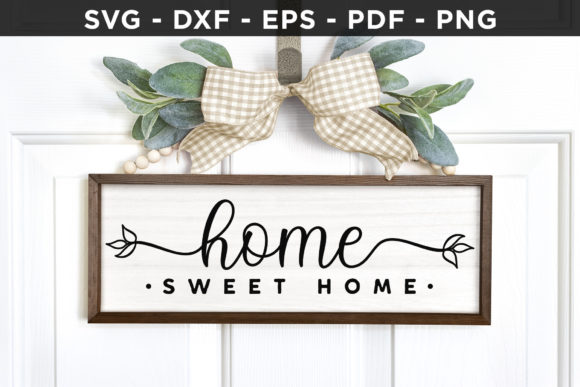
Review: Home Sweet Home SVG for Embroidery Projects
As a designer who spends half my life staring at stitch maps and the other half troubleshooting tension issues, I approach every new machine embroidery design with a mix of curiosity and caution. We have all been there: you download a beautiful digital file, load it onto your machine, and watch in horror as tiny text turns into a bird’s nest of thread breaks. That is why I took a close, practical look at the Home Sweet Home SVG, DXF, PNG, EPS, PDF pack before committing it to any client work or personal inventory.
This isn’t just another generic clipart bundle. It is a versatile set of Graphics rooted in the Crafts community’s love for farmhouse aesthetics and heartfelt messaging. But does it translate from screen to fabric? Let’s break down how this design performs in the real world of hoops, needles, and thread.
First Impressions: Mood and Visual Personality
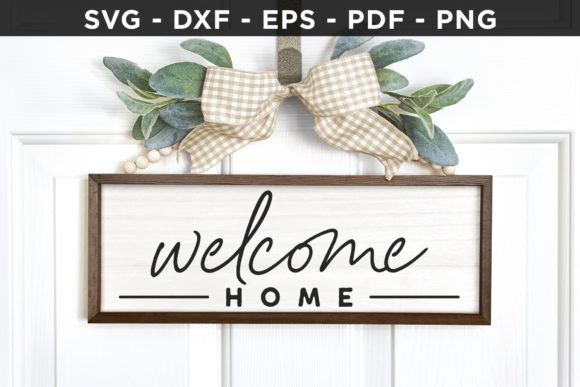
The first thing that strikes me about the Home Sweet Home SVG, DXF, PNG, EPS, PDF collection is its warmth. The typography usually associated with this phrase can often feel stiff or overly ornate, but this iteration balances readability with decorative flair. The layout suggests a classic family sign vibe, which immediately brings to mind cozy living rooms, entryways, and personalized gifts.
For an embroidery designer, the "mood" translates directly to stitch strategy. The clean lines suggest that this design will rely heavily on satin stitch borders for definition and potentially fill stitch areas for larger graphical elements if present in the specific variant you choose. The visual personality is inviting, making it an ideal candidate for products meant to evoke comfort and belonging. It doesn’t scream for attention; it whispers welcome, which is exactly what you want for home décor items.
Real-World Application: From Digital File to Finished Product
I recently had a request for a set of custom kitchen towels for a housewarming gift. This was the perfect test bed for the Home Sweet Home SVG, DXF, PNG, EPS, PDF assets. While the product description highlights its use for signs, my experience tells me that these vector and raster files are incredibly adaptable for textile applications if handled correctly.
For a tote bag design, the boldness of the lettering holds up well against canvas texture. When I digitized the concept for a sweatshirt embroidery project, I found that the spacing allowed for enough breathing room between letters, preventing the fabric from puckering excessively. This is crucial for custom apparel where comfort is key. If you are an Etsy seller or run a small shop product line, this design offers high perceived value because it looks professional rather than homemade in a messy way.
Beyond apparel, consider embroidered patch creation. The clear boundaries in the SVG and DXF formats make it easier to create clean cut lines for heat-seal backings. For baby embroidery, such as on a nursery blanket or onesie, the sentiment is timeless. However, scale is everything here. You must ensure the design is resized appropriately so that the finer details do not become lost in the fluff of minky or terry cloth.
Navigating Technical Challenges and Fabric Constraints
Here is where the rubber meets the road. Not every fabric behaves the same, and not every hoop size is forgiving. When working with the Home Sweet Home SVG, DXF, PNG, EPS, PDF files, you need to be mindful of stitch density. If you are converting these graphics into an embroidery file yourself, or if you are using a pre-digitized version derived from these shapes, watch out for dense clusters in the letter connections.
On stretchy fabric like jersey knits used for t-shirts, a heavy fill can cause distortion. I recommend using a cut-away stabilizer to provide long-term support. For dark fabric, the contrast of your thread colors becomes critical. A white or cream thread on navy blue works beautifully, but if the design has intricate inner details, they might vanish if the thread color is too similar to the background. Always test your thread color combinations on scrap fabric first.
Curved surfaces, like caps or hats, present another challenge. The flat nature of a "sign" design can look warped if not centered perfectly on the front panel of a cap. I advise using a strong backing and possibly a water-soluble topping if stitching on textured twill to keep the stitches sitting on top of the fabric weave rather than sinking in.
Enhancing Brand Value and Customer Trust
For creative entrepreneurs and digital product sellers, the quality of your source assets reflects directly on your brand. Using high-quality vectors like those in the Home Sweet Home SVG, DXF, PNG, EPS, PDF pack allows you to create crisp printable mockup images for your online listings. Clear, scalable graphics mean your product photos look sharp, which builds customer trust.
When a buyer sees a well-executed personalized gift, they associate that quality with your shop. Whether it is holiday embroidery for Christmas ornaments or year-round home décor, consistency in design quality leads to repeat business. This design fits seamlessly into a boutique branding strategy that values tradition and warmth. It is not trendy in a fleeting way; it is classic, which means your inventory won’t go out of style next season.
Practical Notes for the Embroidery Designer
Before you launch into full production, keep these practical tips in mind:
- Test on Scrap Fabric: Never skip this step. Check how the design interacts with your specific material’s fabric texture.
- Check Licensing: While this is a versatile pack, always confirm the license terms. Can you sell finished physical items? Can you resell the digital files? Most craft licenses allow for finished goods but prohibit redistributing the raw design assets.
- Hoop Size Compatibility: Ensure the design fits within your machine’s maximum hoop size. If you need to enlarge it significantly, check for pixelation in the PNG files or ensure the SVG scales without losing curve integrity.
- Contrast Checks: View your design in black and white. If the details disappear in grayscale, they will likely get lost in stitching on low-contrast fabrics.
- Stabilizer Selection: Match your stabilizer to the fabric weight. Heavy denim needs different support than lightweight linen tea towels.
The Home Sweet Home SVG, DXF, PNG, EPS, PDF collection is a solid addition to any designer’s toolkit. It bridges the gap between digital precision and tactile warmth. By respecting the technical limitations of embroidery and leveraging the aesthetic strengths of the design, you can create finished product pieces that truly resonate with customers. Whether you are decorating a pillow cover, creating a unique apron for a boutique, or designing a heartfelt wedding gift, this design holds up under scrutiny. Just remember: good design is only half the battle; execution is what sells the item.